

Pet Supplement Regulations: Does the FDA Regulate Them?

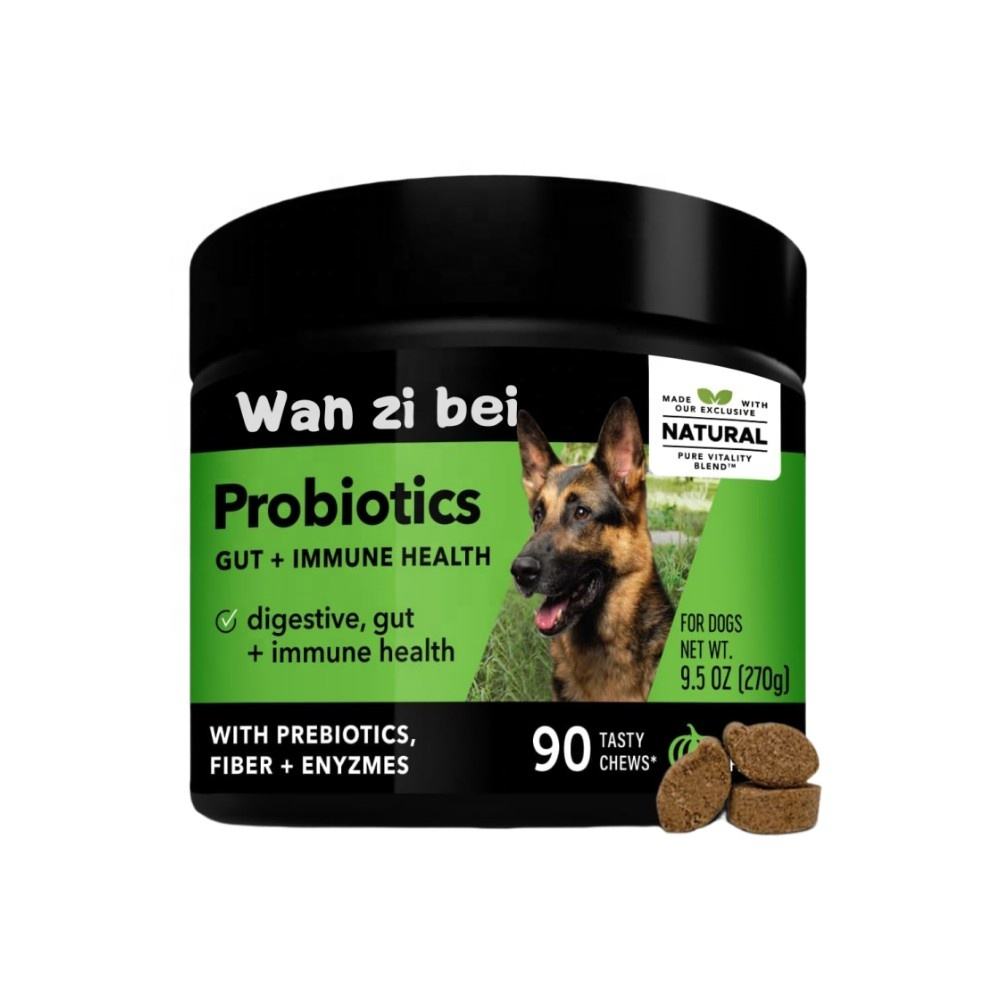
You see words like “lab-tested” or “all-natural” on a bottle of glucosamine for your dog and naturally assume someone in a government office gave it a green light. Sadly, the reality of the pet aisle is far less straightforward. When exploring Pet Supplement Regulations: Does the FDA Regulate Them?, the answer usually surprises most caring owners. The truth is much more complicated, and it is incredibly important for your pet’s daily safety.
Understanding the difference between “FDA Approved” and “FDA Regulated” is the first step to becoming a smart shopper. While your cat’s daily vitamins are heavily regulated by federal authorities, they are practically never approved beforehand.
According to official regulatory frameworks, the agency’s actual role in the supplement market is almost entirely reactive. They operate much like a county building inspector rather than a full-time security guard standing at the factory door. Nobody in Washington is testing that trendy new bottle of CBD oil or daily probiotic before it reaches your local pet store. Instead, authorities typically only step in to investigate after a product hits the shelf and a problem is reported.
Look closely at your pet’s supplement bottle: Does it claim to “treat” a specific disease or merely “support” a normal bodily function? In practice, marketing claims can be highly misleading because companies know consumers are looking for quick cures. If a product boldly promises to cure canine arthritis, it technically violates pet food supplement regulations by acting as an unapproved drug. Knowing this simple distinction helps you spot red flags instantly.
Since the government relies on this hands-off approach initially, we are often stepping into a “buyer beware” zone. Navigating the murky waters of pet supplement regulations means you have to be the primary line of defense for your furry best friend. You cannot simply rely on a vaguely official-looking label or a clever marketing slogan. Fortunately, learning exactly how to identify high-quality, safe products is much easier than you might think.
The Driver’s License Analogy: How the FDA Actually Monitors Pet Products
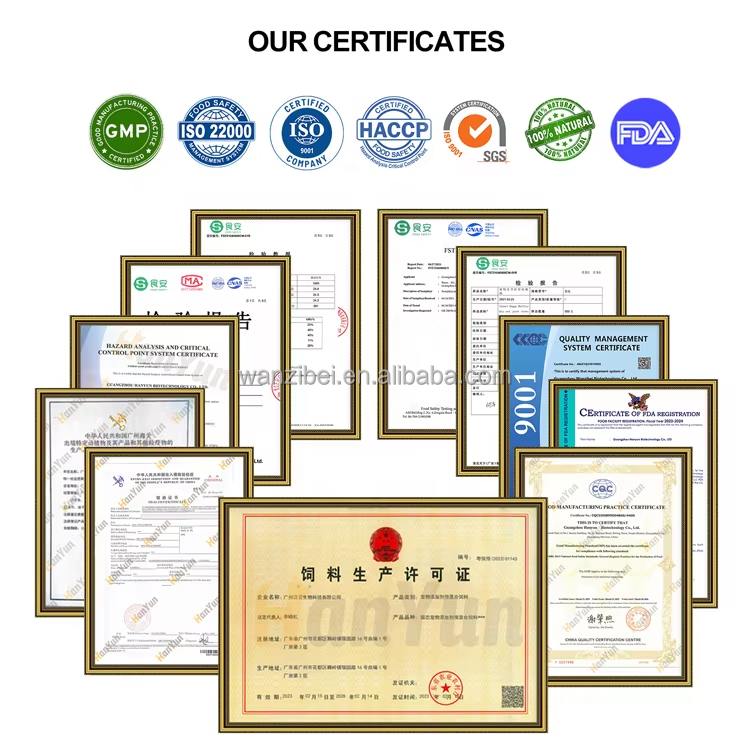
You might assume that a government inspector checks every bottle of doggy joint chews before it reaches your local pet store. The reality of animal nutraceutical industry oversight is much more like highway traffic enforcement. Before a teenager gets a driver’s license, they have to pass a strict test to prove they are safe. But once they are driving, the police do not ride in the passenger seat; they simply watch the roads to catch anyone speeding.
When it comes to your dog’s daily vitamins, the government does not test the ingredients or verify the potency before the product goes on sale. Because of how the laws are written, you might wonder: are pet supplements considered drugs by FDA regulators? The simple answer is no. Since they are only meant to support general health rather than cure diseases, they skip the rigorous testing process that prescription medications must pass.
Instead, the agency relies on a system called post-market surveillance, meaning they watch what happens after the jars are already in your home. If a company gets caught breaking the rules—like claiming their probiotic powder cures parvovirus—the FDA steps in. They issue official documents called Warning Letters, which publicly demand the manufacturer fix the problem or face severe legal consequences.
This reactive system makes your voice incredibly important for keeping store shelves safe. Without proactive testing, reporting pet supplement side effects to FDA officials is often the only way dangerous products get investigated and pulled from the market.
The Legal Loophole: Why Pet Supplements Aren’t Protected Like Human Vitamins
Walking down the vitamin aisle, you are protected by rules that simply do not apply to your dog. In 1994, the government passed the Dietary Supplement Health and Education Act (DSHEA), creating clear safety standards for human vitamins. This law gave human supplements their own protected legal category, safely separating them from ordinary groceries and heavy prescription medications.
That protective safety net vanishes when you cross into the pet care aisle. The reality of DSHEA applicability to animal products is practically nonexistent, as lawmakers explicitly excluded pets from this specific legislation. Because our dogs and cats were left out, their vitamins and joint chews fall into a confusing legal gray area. To the government, a bottle of canine fish oil is technically considered either an unapproved drug or just regular animal feed.
This missing legal category makes the difference between pet food and supplements incredibly blurry for both regulators and buyers. Trapped in this gray area, manufacturers often use marketing tricks to build trust, such as calling a dog’s probiotic powder “human grade.” However, without a dedicated supplement law for animals, that phrase is just a marketing buzzword rather than an enforceable safety standard. Instead, your pet’s joint chew is judged by standard feed rules, which were never designed to manage concentrated ingredients like glucosamine.
Navigating this unregulated space means paying close attention to how a company packages its products. Without strict pet dietary supplement labeling guidelines protecting consumers beforehand, manufacturers must be very careful about their printed promises. If a brand claims their chewable treat cures joint disease, they instantly cross an invisible boundary.
Food or Medicine? How Labeling Determines FDA Jurisdiction
Pick up a bottle of your dog’s hip and joint chew, and you will likely see the word “natural” plastered across the front. Unfortunately, “natural” is just a marketing term, not an enforceable safety standard. Because of the DSHEA gap, the FDA doesn’t pre-approve these products, but they do strictly monitor the exact words printed on the container. Under current pet dietary supplement labeling guidelines, regulators use a manufacturer’s printed promises to decide if a product is a harmless dietary addition or an unapproved drug illegally sitting on the store shelf.
The secret to navigating this space lies in the legal distinction between “structure-function” claims and “therapeutic” claims. A brand is allowed to say their product helps maintain normal body structures or supports everyday functions, like keeping joints naturally lubricated. However, the moment a label promises to diagnose, treat, or cure a specific disease, it instantly crosses into dangerous territory. The FDA treats those therapeutic promises as massive red flags because the powder or chew hasn’t passed the rigorous safety testing required for actual prescription medicine.
Spotting these legal health claims for pet supplements is easy once you know exactly what to look for on the package. You can quickly evaluate a label using this basic comparison:
- Legal Support Claims: “Supports joint health,” “promotes a calm demeanor,” or “helps maintain a healthy immune system.”
- Illegal Drug Claims: “Cures arthritis,” “treats canine anxiety,” or “prevents hip dysplasia.”
Knowing this difference is your first step in identifying high-quality pet vitamins, as reputable companies respect these strict boundaries rather than making wild, impossible medical promises to secure a quick sale.
The ‘Hidden’ Rule-Makers: Who Are AAFCO and Why Should You Care?
When you check the back of animal health supplements, you likely assume the government defined every listed component. Surprisingly, that job belongs to the Association of American Feed Control Officials (AAFCO). To understand the FDA vs AAFCO role in pet health, picture a dictionary and a police officer. AAFCO is an independent group of experts writing the national dictionary that clearly defines what a specific ingredient actually is. The FDA then acts as the police force, stepping in to enforce safety based entirely on those established definitions.
This unique relationship dictates exactly what goes into your dog’s daily chews. AAFCO evaluates scientific data to decide if a new additive is “Generally Recognized as Safe” (GRAS). Earning GRAS status simply means nutritional experts agree the item won’t harm your pet when used correctly. Because these independent guidelines are so thoroughly researched, individual states adopt AAFCO’s rulebook directly as their official law. This unified system helps local state inspectors confidently spot and remove ingredients banned in pet supplements before they ever reach your local store.
Ultimately, this tag-team approach protects your pet by giving regulators the exact tools they need to punish bad actors. AAFCO creates the strict safety baselines, and both state and federal authorities enforce them. However, knowing a listed ingredient is technically safe on paper doesn’t guarantee a company used a pure, high-quality version of it.
Behind the ‘Made in USA’ Label: Sourcing and Manufacturing Realities
Seeing “Made in the USA” on a bottle of joint chews brings peace of mind, but that phrase only tells half the story. The global supply chain separates where a product is mixed from where its ingredients actually grow. A brand might blend and bottle dog vitamins made in usa, yet still purchase raw materials from unverified international pet supplements suppliers. If those raw ingredients are contaminated before ever reaching the American factory, the final product remains unsafe for your pet.
This risk multiplies because many popular companies do not actually make the products they sell. The market is flooded with white label dog supplements—generic formulas produced in bulk by a single, massive pet supplements manufacturer. Just like buying a pre-made grocery store cake and adding your own frosting, anyone can buy these generic bottles and slap a custom logo on the front. This practice becomes dangerous if the marketing brand never audits the factory’s safety practices or verifies the purity of the ingredients inside.
Protecting your dog requires looking past the clever packaging and verifying a brand’s pet supplement manufacturing quality control. Before trusting a company with your pet’s health, ask them these three essential questions:
- How do you vet the safety and origin of your raw ingredient suppliers?
- Do you formulate your own products, or do you use generic white-label recipes?
- Can you provide independent, third-party testing results for this specific batch?
Vetting every single brand yourself can feel overwhelming, which is why experts rely on established industry certifications.
The NASC Quality Seal: The ‘Gold Standard’ for Pet Supplement Safety
Since the FDA acts like a highway patrolman rather than a pre-departure mechanic, proving a product is actually safe falls squarely on the manufacturer. Figuring out how to verify pet supplement safety is nearly impossible for the average shopper when companies can easily hide behind clever marketing. Fortunately, the industry created its own neighborhood watch program to fill this regulatory gap. The National Animal Supplement Council (NASC) stepped in to establish strict, enforceable guidelines that protect pets from dangerous or useless formulas.
Understanding the NASC quality seal meaning changes how you shop for your dog’s health. That distinct yellow sticker guarantees the company did not simply buy unverified white label pet products and lazily slap their own logo on the bottle. Instead, it proves the brand willingly submitted to rigorous, independent third-party auditing. Outside facility inspectors verify that every raw ingredient is meticulously tracked from the moment it arrives at the warehouse to the second it is packaged.
Earning this trust requires passing comprehensive physical inspections every two years and maintaining strict internal systems for tracking any reported side effects. Companies must prove their labels are perfectly accurate, ensuring the ingredients listed on the back match exactly what is inside the jar. If a brand suddenly cuts corners with cheap suppliers or fails to uphold these ongoing standards, the council immediately revokes their permission to display the seal.
Checking a brand’s current standing is as simple as searching the official member directory on the NASC website before buying. Taking that quick step provides absolute peace of mind when your dog needs joint or digestive support.
From CBD to Probiotics: Navigating the Most Controversial Ingredients
Walking down the pet store aisle, you might see everything from calming hemp drops to complex digestive probiotics. Because these items look like medicine, many owners mistakenly assume they undergo strict federal approval. Unless a bottle specifically claims to cure a disease, it falls into a legal gray area where products hit the shelves long before the government verifies they are safe.
The agency manages this chaotic market by issuing official FDA Ingredient Alerts when a wellness trend gets out of hand. CBD oil is a perfect example of this reactive policing. Since the government has not formally recognized it as a safe food additive for animals, they actively target companies making wild medical promises. These targeted warnings help minimize the consumer risks of unregulated pet products by calling out contaminated batches and sketchy manufacturing practices.
Protecting your dog from these hidden dangers requires looking beyond the clever marketing and asking for a Certificate of Analysis (COA). Think of this document as an independent laboratory report card for your animal health supplements. Since the FDA will not test a calming chew before you buy it, reputable brands gladly pay outside facilities to prove exactly what is—and what isn’t—inside their jars.
Fortunately, checking these lab results takes only a few minutes of your time. You simply need to confirm that the CBD levels match the bottle’s claims and ensure the lab found no toxic heavy metals or pesticides. Demanding this proof guarantees you are buying a genuinely safe product rather than expensive snake oil.
Reporting Adverse Events: What to Do When Your Pet Has a Bad Reaction
Even with careful research, your dog might experience an “adverse event”—simply a medical term for a bad reaction. Because pet supplement regulations don’t require pre-approval, the government relies entirely on observant owners to flag the consumer risks of unregulated pet products. When a new wellness chew makes your pet sick, you become the crucial first line of defense.
Stepping up requires officially reporting pet supplement side effects to FDA investigators through their online Safety Reporting Portal. To make your submission useful, never throw away the original packaging. You need the lot or batch number—a unique printed fingerprint allowing officials to track exactly when and where the supplement was manufactured. Always provide these four essential details:
- The exact batch or lot number
- A timeline of specific symptoms
- The duration of product use
- Your veterinarian’s contact information
Submitting this data triggers real-world action. If officials connect multiple sick pets to the same batch fingerprint, they can force a recall and protect other animals from harm.
The Smart Shopper’s Action Plan: 5 Steps to Verify Any Pet Supplement
You no longer have to stare at a shelf of colorful dog chews wondering if they are genuinely safe or just clever marketing. Those “all-natural” labels might have once felt like a government guarantee, but now you know how to look past the hype to protect your pet’s health. You have the practical tools to navigate pet supplement regulations with absolute confidence, transforming from a hopeful buyer into an informed health advocate for your furry friend.
Because these products do not go through strict pre-market approval, the FDA serves as the vital safety net, but you are the ultimate gatekeeper. It is up to you to catch the red flags before a mystery powder or untested chew ever makes it into your dog’s food bowl.
To make this simple, follow this 5-point ‘Safe Shop’ checklist for identifying high-quality pet vitamins and mastering exactly how to verify pet supplement safety:
- Label Check: Ensure the product claims to “support” health rather than “cure” or “treat” a disease.
- NASC Seal: Look for the yellow National Animal Supplement Council seal indicating strict quality audits.
- Manufacturer Audit: Verify the company provides clear contact information and a real physical address.
- Ingredient Transparency: Ensure all active and inactive ingredients are listed with exact measurements.
- Reality Check on Claims: Remember that if a promise sounds like a miracle, it isn’t real.
Applying this protocol to your current and future supplement purchases builds genuine confidence in your choices. You will quickly learn to differentiate between trustworthy brands that invest in science and those that just invest in slick packaging.
Understanding how these products are monitored empowers you to make highly informed decisions. By evaluating labels critically and prioritizing verifiable quality over marketing hype, you are ensuring your pets receive safe, effective support for their ongoing health and wellness.


